

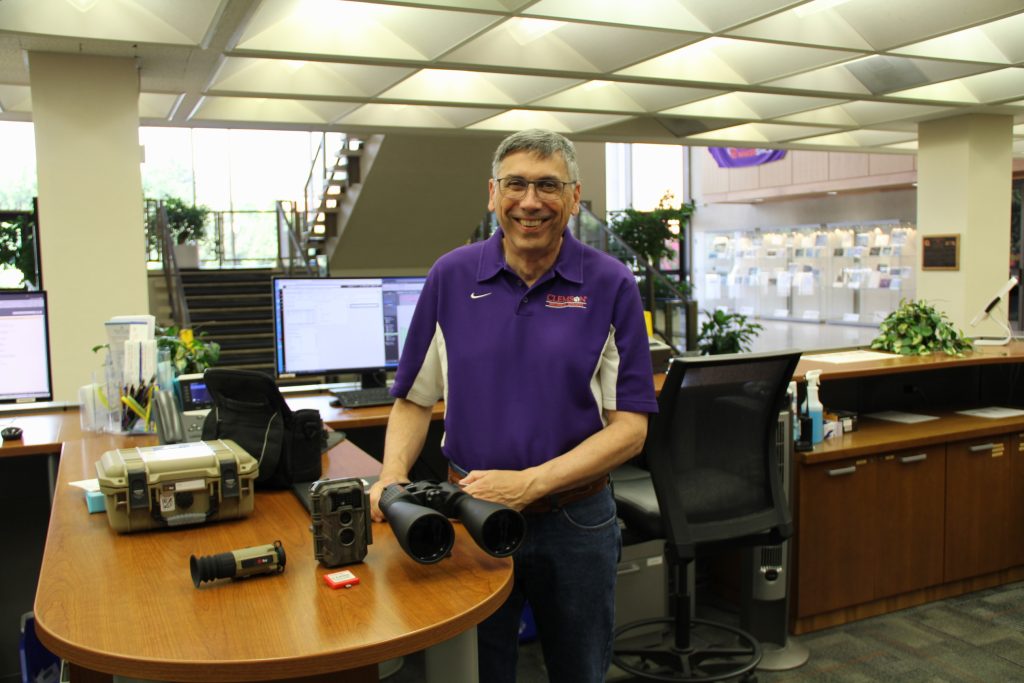
 When John Cummings won the Phil Prince Innovation in Teaching Award from Undergraduate Student Government, he didn’t know it came with funds to purchase something for Clemson Libraries. So when the Libraries team reached out to him earlier this year to inform him of this, he said, “I felt like a kid at Christmas!”
Cummings, a principal lecturer in biological sciences, teaches a variety of courses, including human anatomy and physiology, field ecology, and mammalogy. He chose to purchase items to enhance his instruction in those classes, but the items are available for any student to check out and could be useful in a number of different classes.
“The student experience in the classroom is limited to the four walls of the room that they’re sitting in,” said Cummings. “If you’re trying to teach things about the natural environment, it’s important to take students into the natural environment, but sometimes they may not be able to see the things that you’re taking them to see. This equipment allows that extension, it immerses them in what you’re really trying to teach.”
Cummings selected four items to support field work in studying wildlife and ecology:
Sky Master binoculars — very high-magnification binoculars with a tri-pod. These could be used for field observation, allowing students to observe animals in the wild from a great distance away.
GardePro T5NG trail cameras — motion-sensor trail cameras that allow for remote viewing of wildlife in their natural habitats. Images from the camera are captured on an SD card and can then be transferred to a computer.
Echo Meter Touch 2 Pro bat detection devices — this small device connects to a smartphone and amplifies sound frequencies that are undetectable to the human ear. An app connects to a database to identify different bat species. It can also make recordings of the sounds that can be played back. “This allows us to go into the darkness and see things that we usually can’t see,” said Cummings.
InfiRay Rick Micro V2 thermal imager — this thermal imaging monocular detects heat signatures, which allows for observation of animals in the dark. It can detect the heat left behind even after an animal leaves a location. “We’re programmed to be active during the daytime, so if we’re looking at mammal activity and things that are happening at night, we can’t see it,” Cummings said. “One way to find animals quickly is to look for the heat signature. This allows us to conduct field work at night.”
Two other items Cummings selected to add to the Libraries collection will
help students studying human anatomy and physiology:
Full body skeleton — this adds to the Libraries’ existing collection of bones that students can check out to study. The Libraries currently has 42 bone boxes, which are in high-demand, especially during mid-term exams. Cummings said it is important to have a fully articulated skeleton, so that students can learn the differences between all the bones. “There are 206 bones in the human body, not 103 times two,” said Cummings. “The right humerus is different than the left humerus, for example. When they’re disarticulated, it’s really hard to see the differences. Having an articulated skeleton to study helps with that.”
Anatomage tablet — this tablet is a portable version of the Anatomage Table in the Libraries’ Data Visualization Lab. The tablet contains 3-D scans of actual human cadavers that allow students to study various parts and layers of anatomy through “virtual dissection.”
Cummings, who has been teaching at Clemson for 37 years, said he was happy to be able to purchase items that will benefit students for years to come.
“These things will still be here and be used after I’m gone, and that’s a cool legacy to leave behind,” he said. “I’m opening the world not only to my students who are here currently, but also to others who will be here in the future. It just feels good to be able to do that.”
Descriptions of the items are listed on the Libraries’ technology lending website and are available for check out on a first-come, first-served basis at the Cooper Library services desk.
-
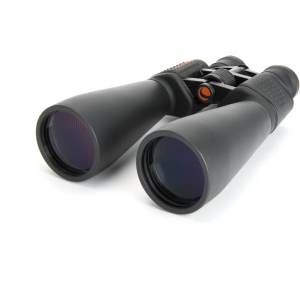
- Sky Master binoculars
-
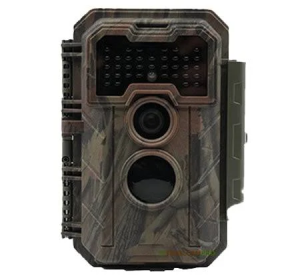
- GardePro T5NG trail camera
-
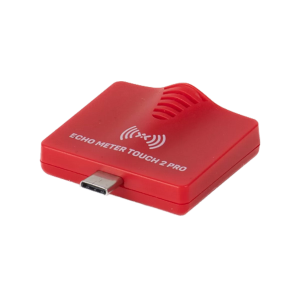
- Echo Meter Touch 2 Pro bat detection device
-
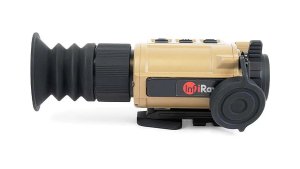
- InfiRay Rick Micro V2 thermal imager